

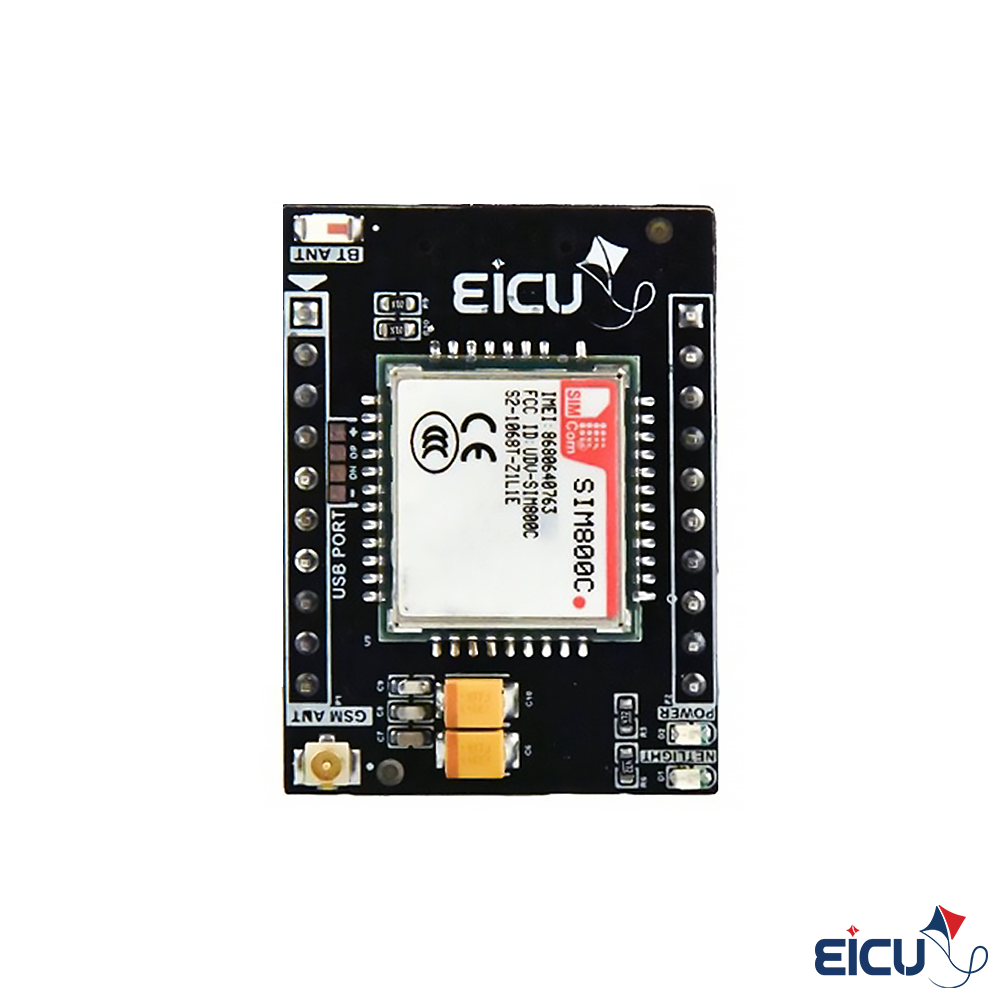
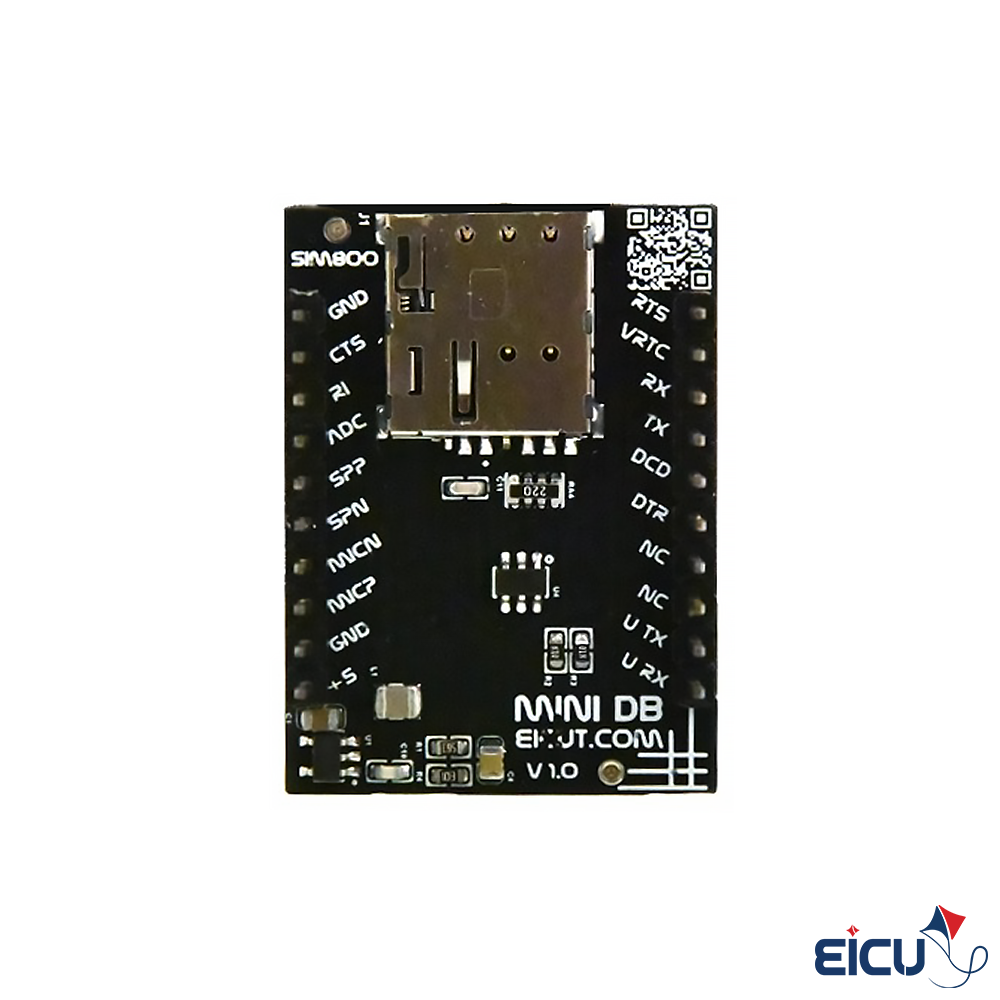
SIM800C mini Development Board Supporting Quad-band GSM/GPRS/GNSS/GPS
10 in stock
- Small size quad-band GSM/GPRS module
- LCC form factor, easy for solder
- Abundant software functions: DTMF, MMS, MUX
- Low Power consumption
$ 10.9
10 in stock
SIM800C mini Development Board Description
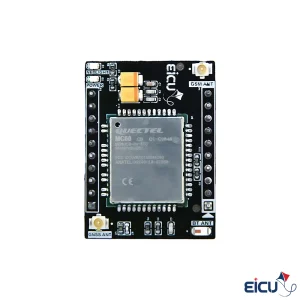
The SIM800C Mini DB is a compact and portable board designed specifically for breadboard. The main equipped modules are the SIM800C Mini DB series wireless communication modules. The SIM800C EVB (Evaluation Board) exposes the SIM800C Quad-Band GSM/GPRS LCC module on a user-friendly breakout platform. It keeps the module’s compact LCC form factor while adding convenient connectors, power regulation, and test points so you can prototype and evaluate cellular functionality quickly without low-level PCB layout or soldering.
SIM800C mini Development Board Features
- Compatible with BreadBoard
- On Board 2A Switching Regulator
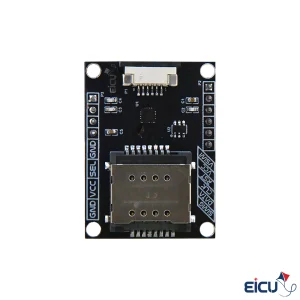
- On Board NanoSIM(4FF) socket
- BT Antenna on board
- GNSS active antenna circuit
- Quad-band GSM/GPRS support with up to 85.6 kbps GPRS data transfer
- Abundant interfaces: UART, USB 2.0, GPIO for easy host connection and control
- Ready-to-use EVB power management, antenna connector, and level-shifted I/O
- header pins for monitoring signals and integrating peripherals
- Compact evaluation form factor that preserves the SIM800C LCC footprint for later product development
SIM800C Module Specifications
| Category | Parameter | Value / Details |
|---|---|---|
| General Features | Frequency Bands | Quad-band: 850 / 900 / 1800 / 1900 MHz |
| GPRS multi-slot class | 12 / 10 | |
| Dimensions | 17.6 × 15.7 × 2.3 mm | |
| Weight | 1.3 ± 0.1 g | |
| Supply Voltage | 3.4 V ~ 4.4 V | |
| Operation temperature | -40 °C ~ +85 °C | |
| Compliant | GSM phase 2/2+ Class 4 (2 W @ 850/900 MHz) Class 1 (1 W @ 1800/1900 MHz) |
|
| Control | Via AT Commands (3GPP TS 27.007, 27.005 & SIMCom enhanced AT Commands) | |
| Low Power consumption | Supported | |
| GPRS mobile station class | Class B | |
| GPRS Data | GPRS class 12 | Uplink / Downlink up to 85.6 Kbps |
| Coding schemes | CS 1, 2, 3, 4 | |
| PBCCH | Supported | |
| PPP-stack | Supported | |
| USSD | Supported | |
| SMS | Supported Modes | Point-to-point MO and MT SMS cell broadcast |
| Format | Text and PDU mode | |
| Voice | Speech Codec Modes | AMR / HR / FR / EFR |
| Echo Arithmetic | AEC / EES (Echo Cancellation / Echo Suppression) | |
| Software Features | 0710 MUX protocol | Supported |
| Embedded TCP/UDP protocol | Supported | |
| FTP / HTTP / POP3 / SMTP / MMS / DTMF | Supported | |
| Jamming Detection / Audio Record / LBS* / SSL/TLS* / BT 3.0* / TTS* / EAT* | Supported (* = optional) | |
| Interfaces | Analog audio interface UART (U)SIM card (1.8 V / 3 V) RTC ADC GPIO Antenna: GSM / BT* (optional) |
|
| Enhanced Features | QuecFOTA™, QuecCell, QuecLocator, QuecFile, OpenCPU™, RIL for Android | |
| Certifications | CE / ACMA / FCC / GCF / 3C / SRRC / NAL / TIM / RoHS / REACH / Deutsche Telekom |
SIM800C mini Development Board Applications
- Smart meters and metering gateways
- Security systems and alarm communication
- Remote diagnostics and telemetry
- IoT devices requiring low-bandwidth cellular connectivity
Benefits of the EVB for Design
Using the SIM800C EVB accelerates development and reduces risk by letting you test cellular functions immediately without designing a module-level PCB. The EVB simplifies integration, saves development time, and helps validate power, signaling, and antenna choices before committing to a final hardware design.
Downloads
| Cellular category | Quad-band GSM/GPRS |
|---|---|
| Interfaces | UART, USB 2.0, multiple GPIO pins |
| Package | LCC |
Based on 0 reviews
Be the first to review “SIM800C mini Development Board Supporting Quad-band GSM/GPRS/GNSS/GPS”
You must be logged in to post a review.
There are no reviews yet.