
In the previous section, we examined Duty Cycle, coding rate, and packet structure in the LoRa protocol. Now that we are familiar with the nature and overall operation of the
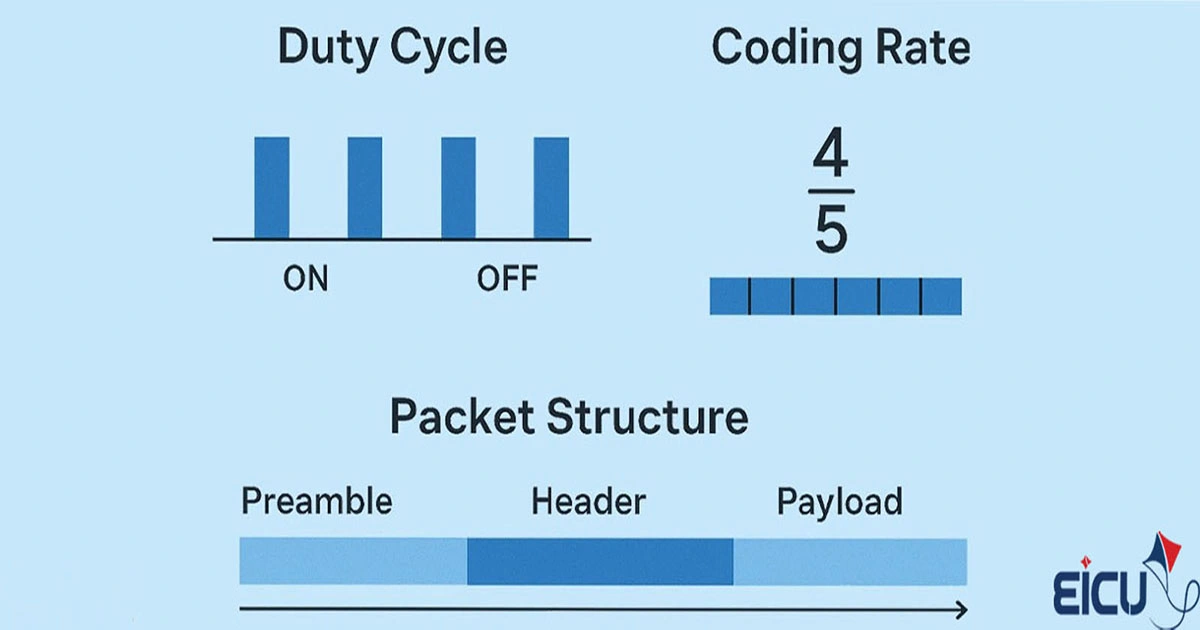
LoRa and LoRaWAN – Part 5: Understanding Duty Cycle Coding Rate Packet Structure in LoRa Protocol
Duty Cycle In the previous section, we explored Spreading Factors and ADR in LoRaWAN. Duty Cycle indicates what portion of time a resource or channel is actively in use. For
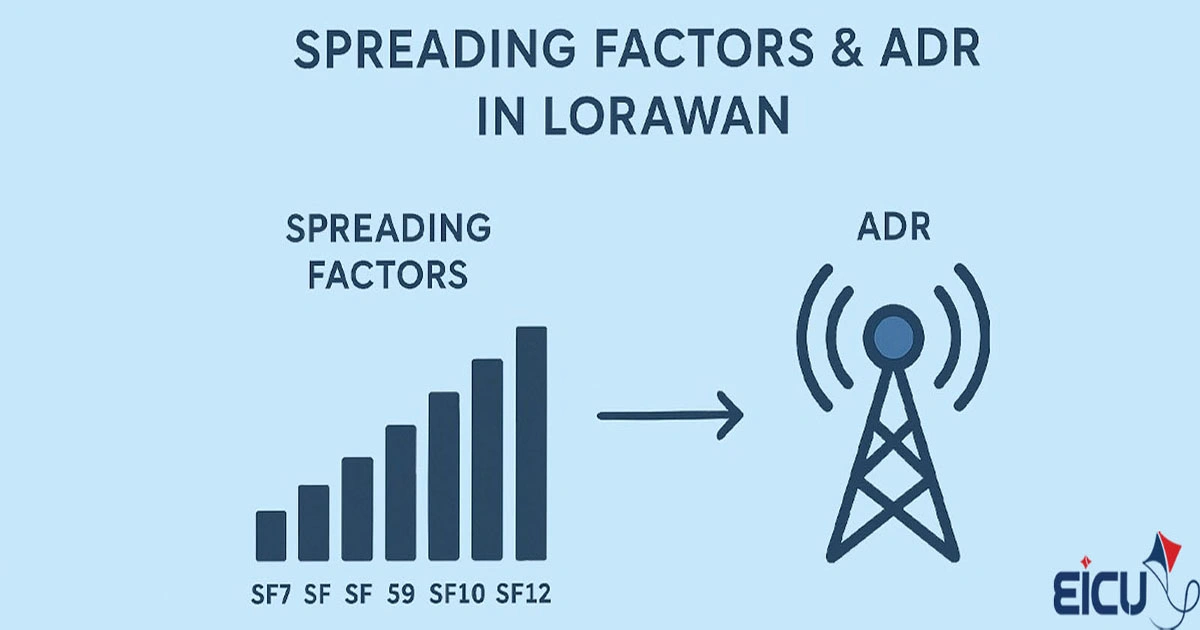
LoRa and LoRaWAN – Part 4 : Guide to Spreading Factors and ADR in LoRaWAN
Spreading Factors In the previous section, we reviewed LoRa activation methods. LoRa operates based on Chirp Spread Spectrum (CSS) technology, where Chirps (or Symbols) act as data carriers. The key
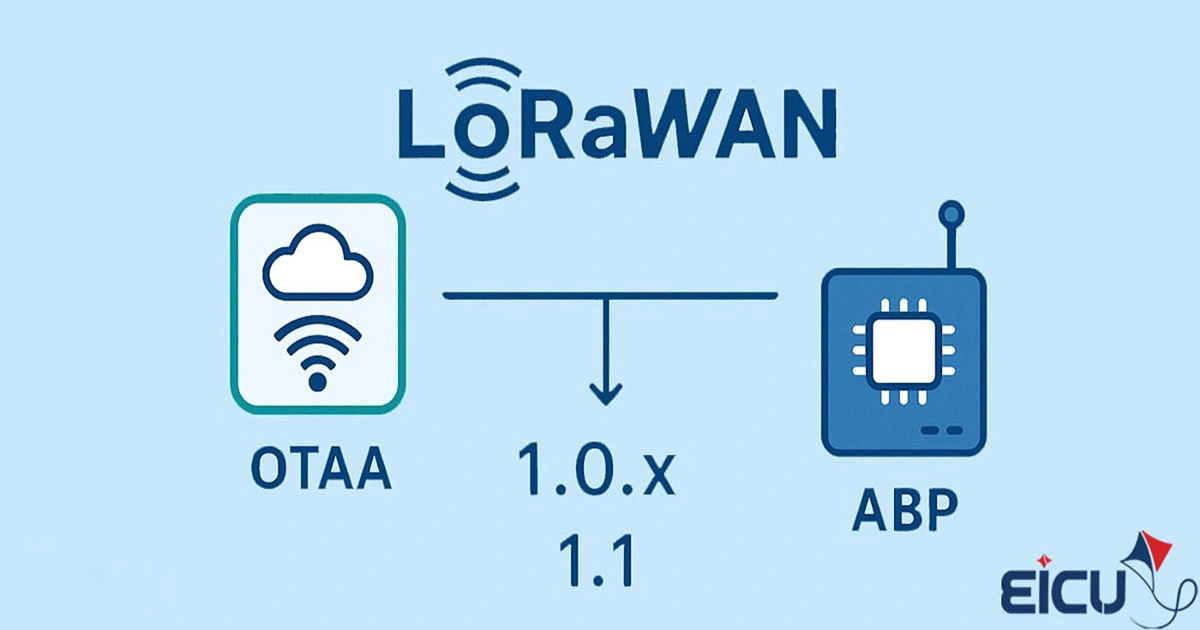
LoRa and LoRaWAN – Part 3: LoRaWAN Activation- OTAA and ABP in Versions 1.0.x and 1.1
LoRaWAN Activation- OTAA and ABP in Versions 1.0.x and 1.1 We previously reviewed LoRaWAN device classes. Every LoRaWAN device must be registered in a network before it can send or
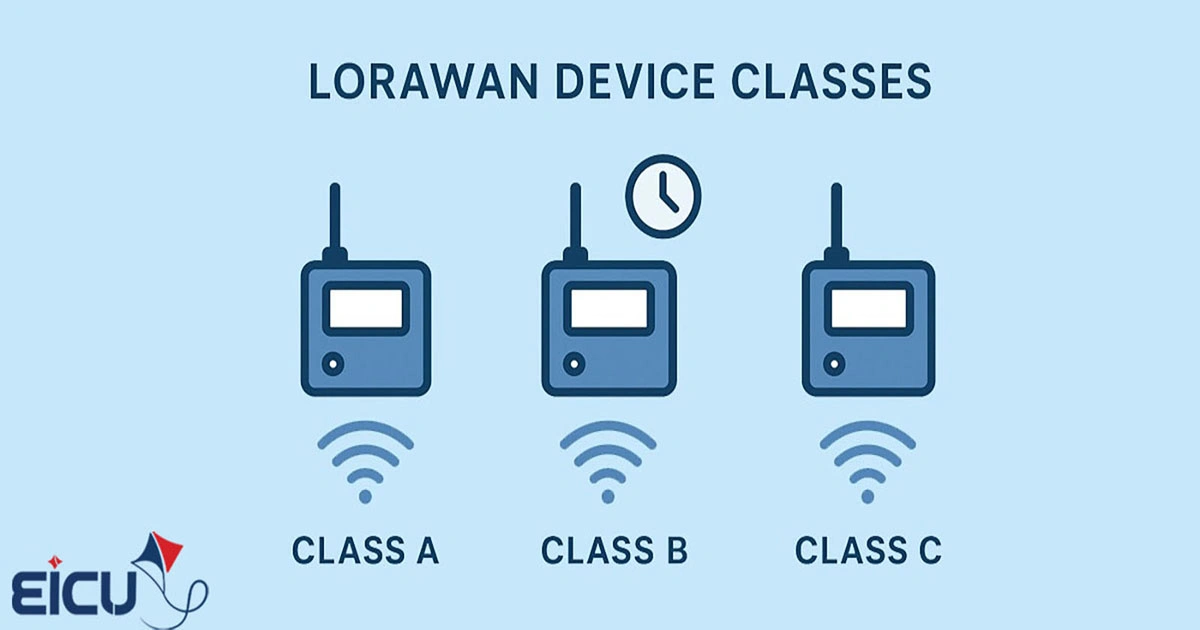
LoRa and LoRaWAN – Part 2: LoRaWAN Device Classes: Review and Comparison of Class A, B, and C
LoRaWAN Device Classes: Review and Comparison of Class A, B, and C In the previous article about What is LoRa and LoRaWAN? | Differences, Applications, and Advantages in IoT, we
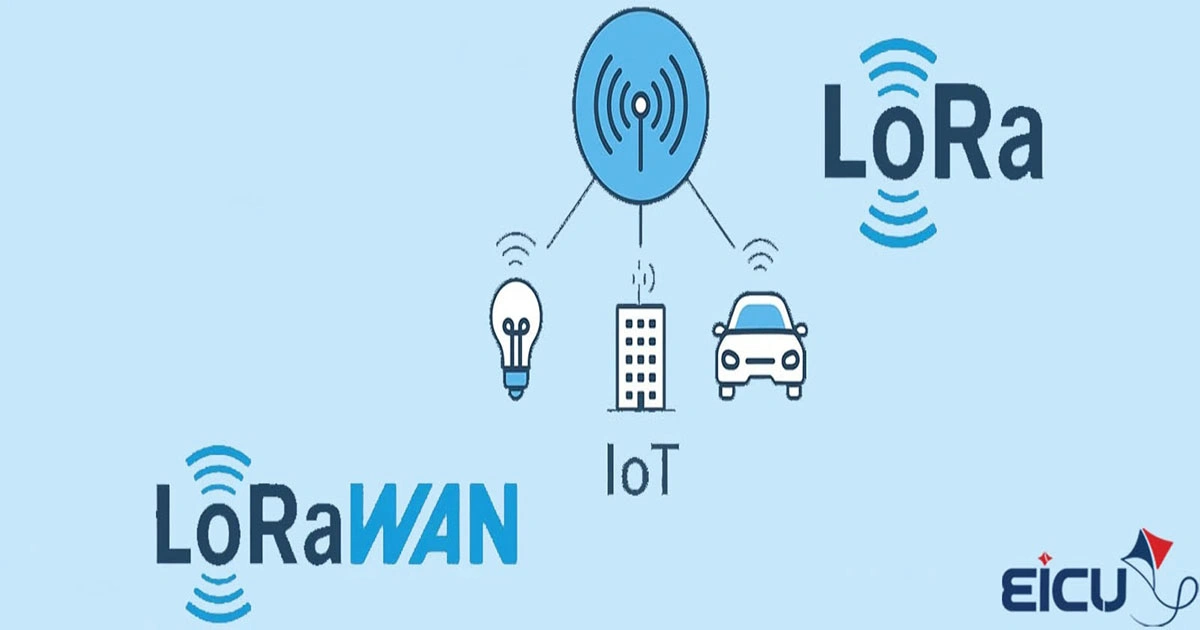
LoRa and LoRaWAN – Part 1: What is LoRa and LoRaWAN?
What is LoRa and LoRaWAN? LoRa is a long-range wireless modulation technology that transmits data with extremely low power consumption over unlicensed, free frequency bands. It is based on Chirp